Here are clear answers to the most common questions homeowners and businesses ask before going solar with HelioGrid.
1. What does HelioGrid do?
HelioGrid designs and installs rooftop solar systems for homes and farms, helping you cut electricity bills and switch to clean, renewable power.
2. How does rooftop solar work for my home?
Solar panels on your roof convert sunlight into electricity, which first powers your home and then any extra can go to the grid as per your DISCOM policy.
3. Why should I install solar now?
Solar reduces your monthly electricity bill, protects you from future tariff hikes, and lets you generate clean energy for 20–25 years.
4. What is the PM Surya Ghar Muft Bijli Yojana?
It is a central government scheme that supports households to install rooftop solar and get up to 300 units of free electricity per month, subject to eligibility and rules
5. Can HelioGrid help me get government subsidy?
Yes, HelioGrid assists with eligibility checks, documentation, and installation so you can claim applicable subsidies under the PM Surya Ghar scheme.
6. How much can I save on my electricity bill with solar?
Savings depend on your usage and system size, but many homes can reduce their bills by a major percentage when the system is properly sized.
7. How long does a rooftop solar system last?
Solar panels typically have a performance warranty of 20–25 years, while inverters and some components may need replacement earlier
8. Will my solar system work during a power cut?
A standard grid‑connected system switches off during a power cut for safety; for backup during outages, a battery or special hybrid setup is required.
9. Will solar panels damage my roof?
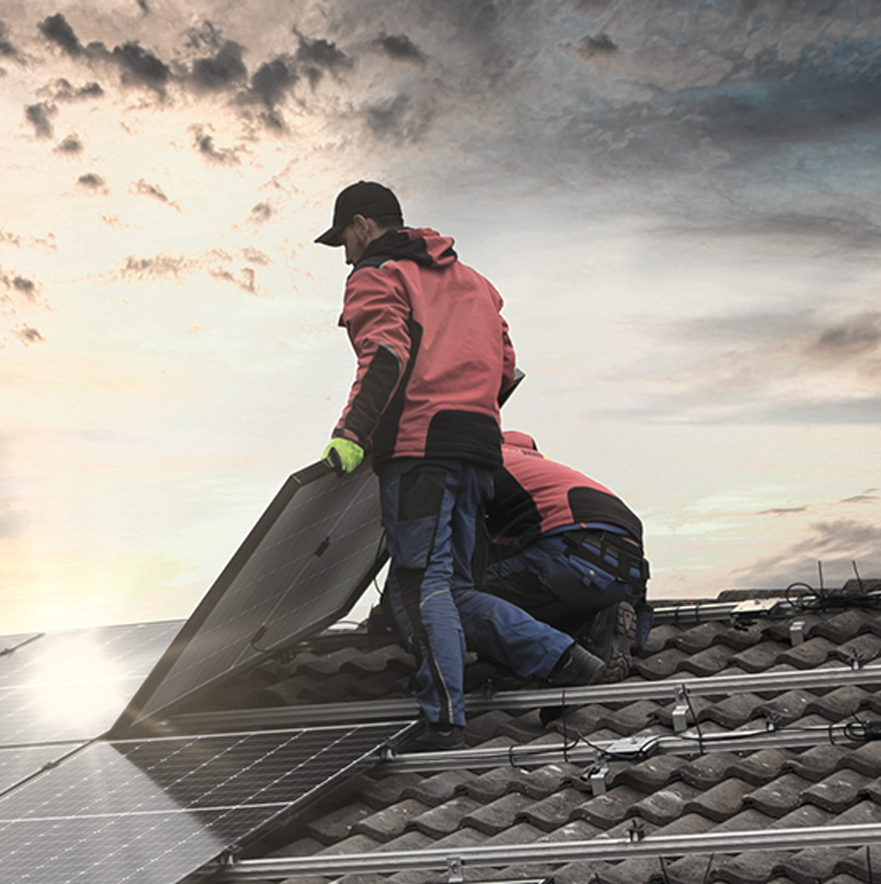
No, when installed by trained professionals using proper mounting structures, panels do not damage the roof and can even reduce heat on the terrace
10. How long does installation take?
Once approvals are in place, typical residential rooftop solar installations are completed in a few days, depending on system size and site conditions.
11. How do I know if my roof is suitable for solar?
Most concrete rooftops are suitable for solar installations. During the site visit, HelioGrid evaluates roof strength, shadow-free area, orientation, and available space to determine the right system size.
12. What maintenance is required for a solar system?
Solar systems require minimal maintenance. Periodic panel cleaning and basic system checks help ensure optimal performance. HelioGrid provides guidance and support for ongoing maintenance.
13. What happens on cloudy or rainy days?
Solar panels continue to generate electricity on cloudy days, though at reduced output. The system automatically draws additional power from the grid when required.
14. Is solar safe during heavy rain or lightning?
Yes. Solar systems are designed to withstand heavy rain and normal lightning conditions. Proper earthing, surge protection, and certified components ensure system safety.
15. What warranties do I get with a HelioGrid solar system?
Solar panels typically come with 20–25 year performance warranties. Inverters and other components are covered by manufacturer warranties. HelioGrid ensures all equipment used meets quality and safety standards.
16. Can I install solar in an apartment or shared building?
Yes, solar can be installed in apartments using common rooftop areas, subject to society approval and local regulations. HelioGrid can assess feasibility and suggest suitable solutions.
17. What is the payback period for a solar system?
Payback periods vary based on usage and system size, but many residential systems recover their investment within a few years through electricity bill savings.